Promoting Rare Plants and Herbarium in UTM

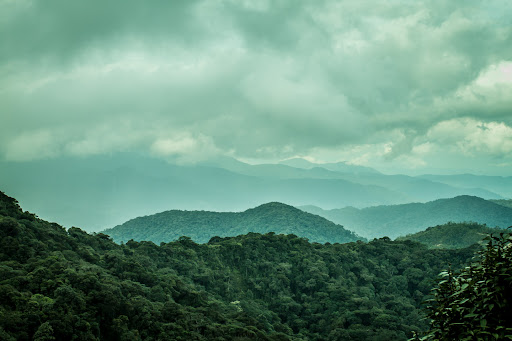
Recreational Forest

AIM OF THE PROJECT:

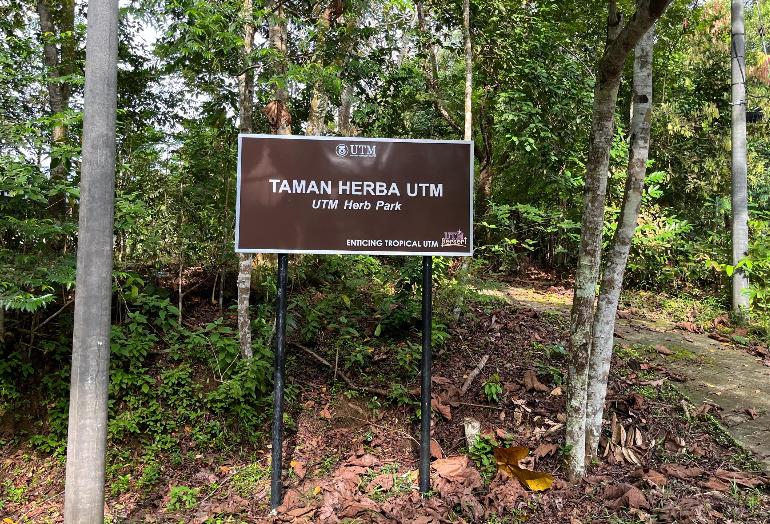
This project aims to identify and map the locations of rare and herbarium plants using GIS-based storytelling.

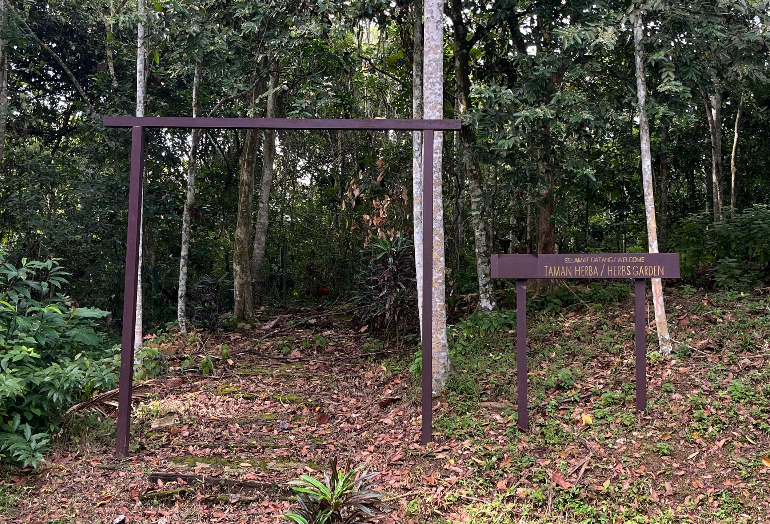
  • Identify and map the locations of rare plants and herbarium trees in Taman Herba and the nearby plant nursery.
  • Develop an interactive digital map displaying plant locations along with detailed information.
  • Educate the public on the importance, benefits, and preservation of rare and herbarium plants through GIS-based storytelling

Method

This section outlines the structured approach we followed to conduct our study. Each step was carefully designed to ensure accuracy and reliability in our findings.

Data Collection

The first step involved collecting spatial data on rare plants and herbarium trees within Taman Herba and the nearby plant nursery.

Due to GPS Montana device malfunctions, mobile GPS applications were used to record accurate coordinate data for each plant.

Each tree’s location was documented with its species name, and photographs were taken for reference.

To ensure precise location mapping, data collection was conducted carefully, maintaining an accuracy range of 3 to 5 meters.

The collected coordinates were cross-checked with drone orthophotos to validate spatial accuracy.

Data Processing

The gathered data was first organized in Excel, where it was sorted and cleaned by removing duplicate or inconsistent entries.

The dataset was then imported into QGIS for further processing and spatial verification.

Errors such as misplaced points or coordinate mismatches were identified and corrected by comparing them with high-resolution satellite imagery and field observations.

Once the data was validated, it was converted into a shapefile format to be used in GIS analysis and map visualization.

GIS Analysis

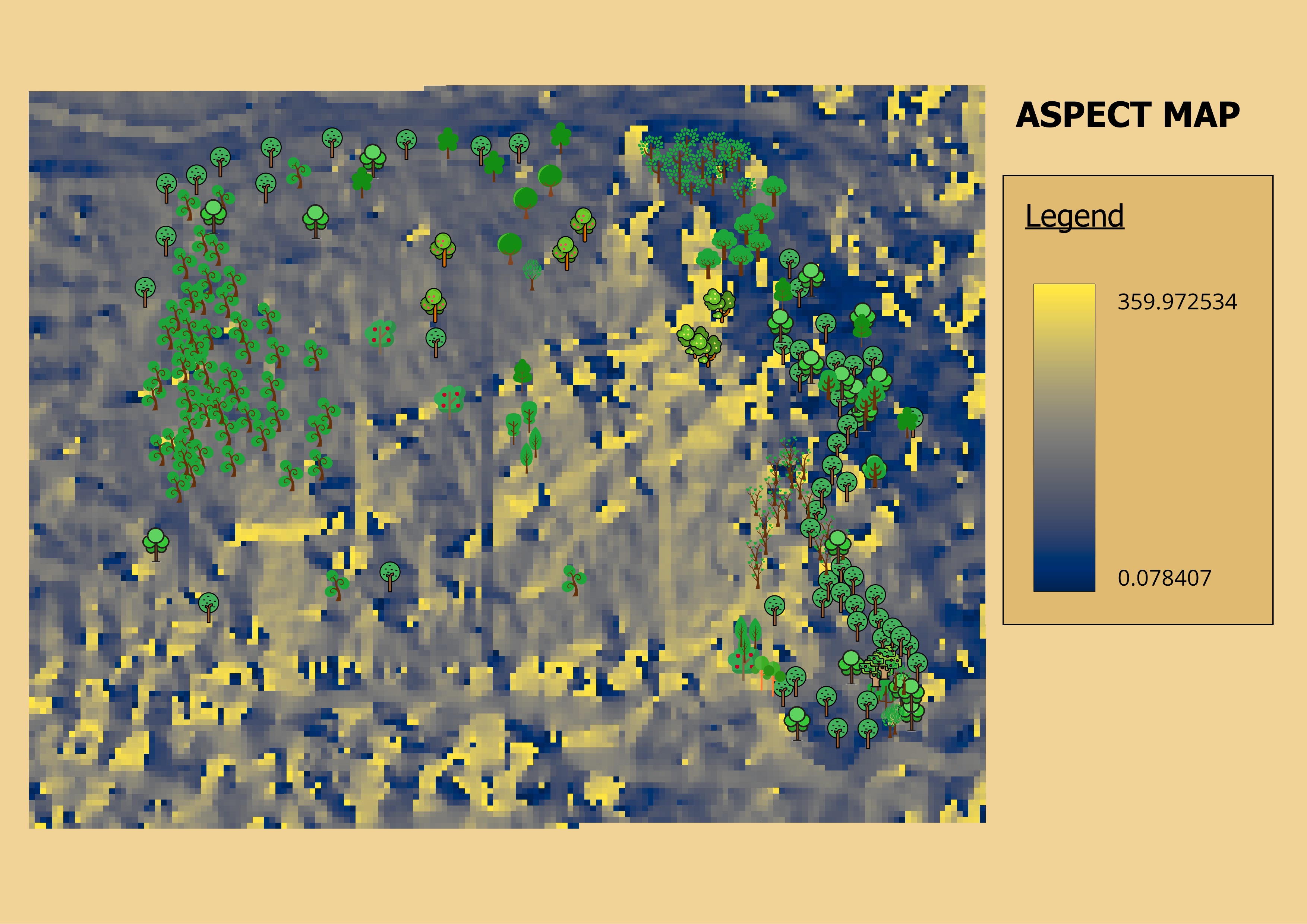
Aspect Analysis: Used QGIS to determine how different tree locations are exposed to sunlight, helping to understand their growth patterns.

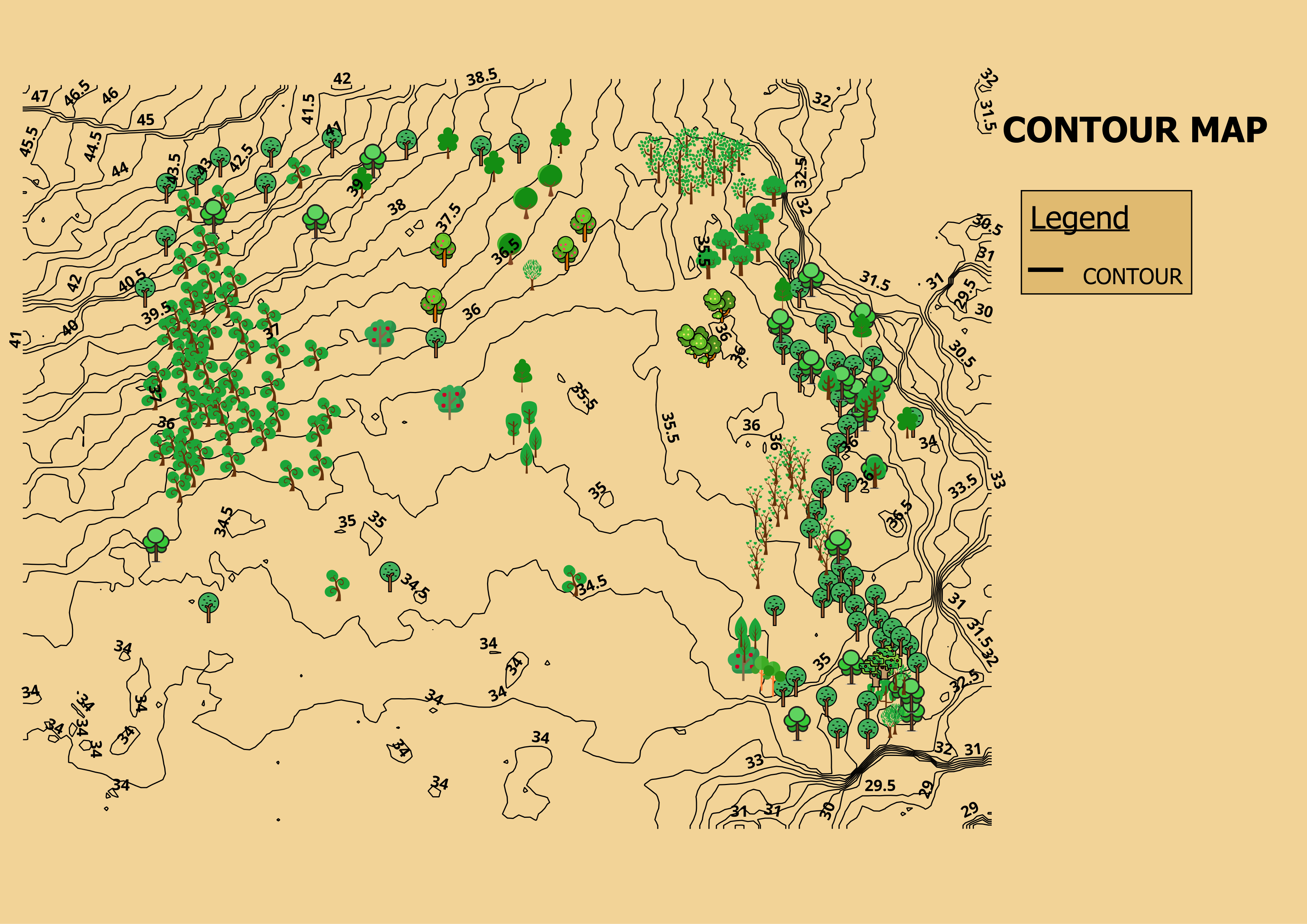
Contour Analysis: Created elevation maps to study terrain variations and identify areas with steep or gentle slopes.

Map Creation

Processed spatial data in QGIS to generate interactive maps showing plant locations and environmental conditions.

Designed clear and visually appealing maps to enhance understanding and support eco-tourism and conservation efforts.

Finalized the maps for use in reports, presentations, and public awareness materials.

Map

provides an overview of a location, helping to understand its layout, accessibility, and key landmarks. Depending on the type, maps can display physical geography

Analysis

A map that shows output for our project

Sunlight Exposure (Aspect Analysis)

Analysis Image 1

The Aspect Map helps us understand how sunlight affects tree growth in different areas. South-facing slopes receive more sunlight throughout the day, making them warmer and drier. This environment is suitable for plants that need a lot of sunlight to grow, such as those that thrive in open and dry conditions. More sunlight can also lead to faster evaporation, which might result in drier soil on these slopes. As a result, plants growing in these areas need to be able to handle heat and less moisture.

On the other hand, north-facing slopes receive less direct sunlight, keeping them cooler and more shaded. These conditions are better for plants that prefer less heat and more moisture, such as shade-loving species. Since these slopes get less sun, the soil stays moist for a longer time, providing a better environment for plants that need consistent water supply. The way trees and plants are distributed in the study area suggests that different species naturally adapt to the sunlight conditions that suit them best.

Land Elevation and Slope (Contour Analysis)

Analysis Image 2

The Contour Map shows that the study area has a mix of flat and hilly land, which affects tree growth. In higher elevations (above 40m), trees may struggle due to strong winds and dry soil. The wind can make it harder for trees to grow tall and stable, while the lack of moisture in the soil can limit their ability to absorb enough water. These conditions make it challenging for certain plant species to survive, especially those that need a lot of water and protection from harsh weather.

In contrast, lower areas (between 29m-34m) tend to have more water availability, creating a better environment for plants that need moist soil to grow well. These areas retain more water, helping trees develop strong roots and stay healthy. Most trees are found on gentle slopes, where conditions are more balanced and stable. However, steep slopes have fewer trees, likely due to soil erosion and poor water retention, making it harder for plants to take root and grow properly. This pattern highlights how elevation and slope influence plant distribution in the area.

Plant Info

A comprehensive list of plants in a specific location, such as a herbarium or a conservation area, detailing their species, characteristics, and distribution.

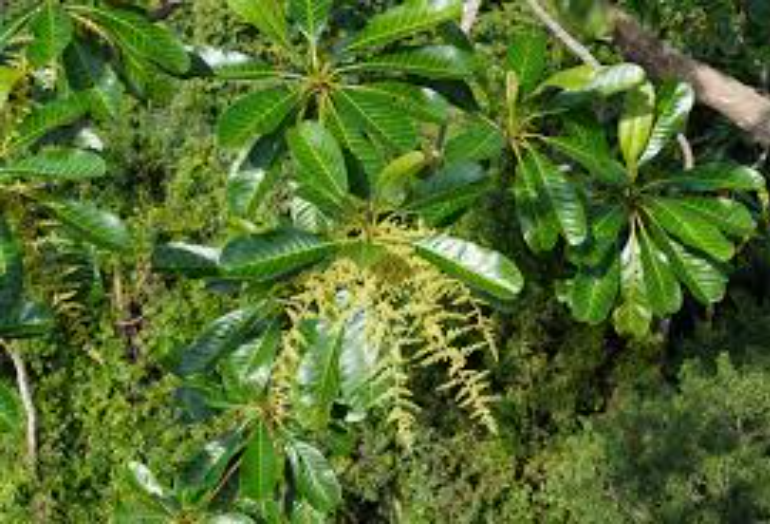
Rafflesia

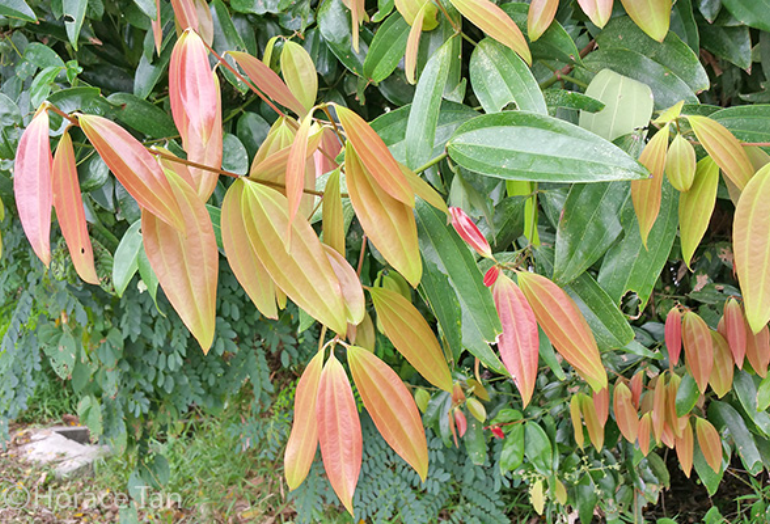
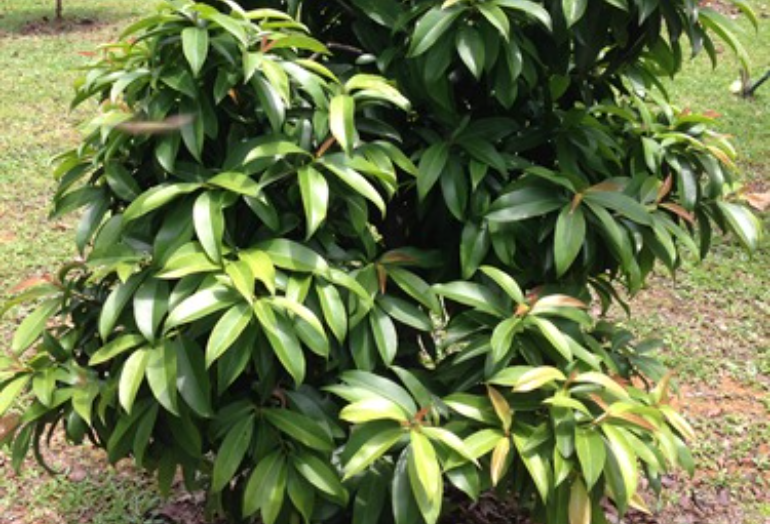
Kayu Manis

Cinnamomum Cassia

Cinnamon is a popular spice with a sweet aroma. It helps improve digestion, regulate blood sugar, and reduce inflammation. People use it in cooking, herbal tea, and traditional medicine for treating colds and sore throats.

Pitcher Plant

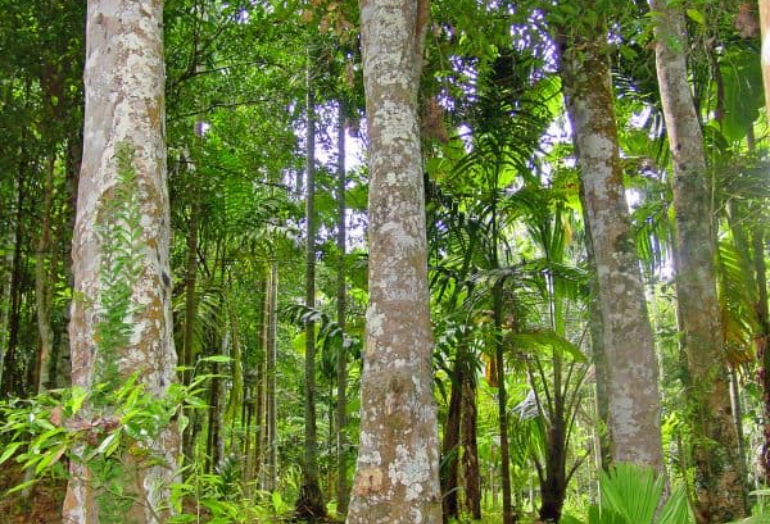
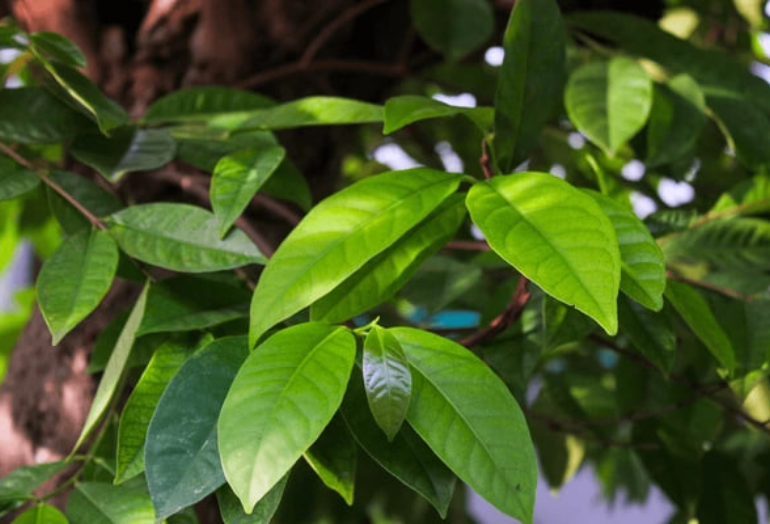
Gaharu

Aquilaria malaccensis

Agarwood is highly valued for its fragrant resin, which is used in perfumes, incense, and aromatherapy. It has calming effects, helps with relaxation, and is used in traditional medicine to treat stress and improve sleep.

Pitcher Plant

Asam Gelugor

Garcinia Cambogia

Aids weight loss, reduces cholesterol, improves digestion.This sour fruit is used in cooking, especially in traditional dishes. It is known to help with weight loss, digestion, and cholesterol control. Some believe it can suppress appetite and prevent fat storage in the body.

Pitcher Plant

Belimbing Buluh

Averrhoa Bilimbi

This small sour fruit is often used in cooking, such as in curries and sambals. It is also used to treat coughs, lower blood pressure, and improve skin health. The fruit and leaves are sometimes used as natural remedies for inflammation.

Pitcher Plant

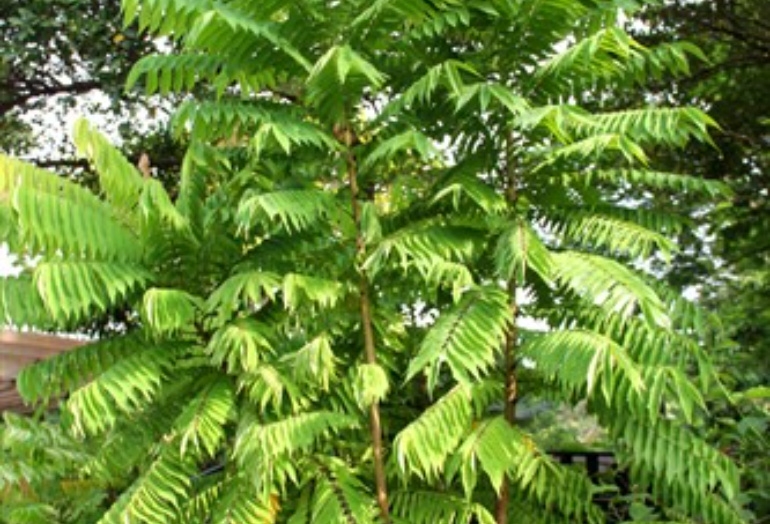
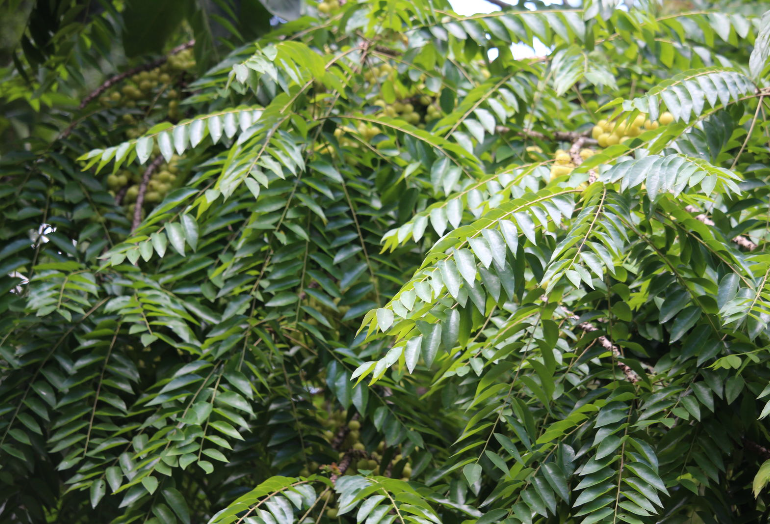
Cermai

Phyllanthus Acidus

Cermai, or star gooseberry, is rich in vitamin C and antioxidants. It helps boost immunity, improve digestion, and treat coughs. The fruit is often eaten fresh, made into pickles, or used in traditional medicine.

Pitcher Plant

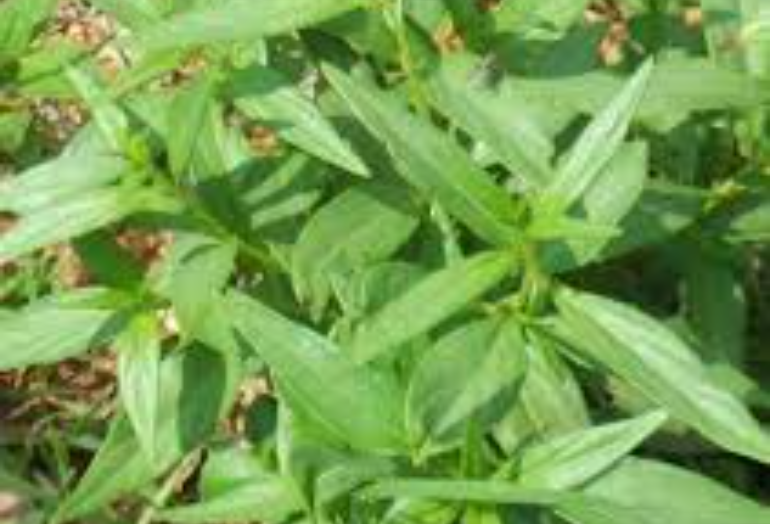
Hempedu Bumi

Andrographis Paniculata

This plant is famous for its extreme bitterness and strong medicinal properties. It is used to boost immunity, lower fever, treat infections, and improve digestion. People usually drink it as herbal tea or take it in capsule form.

Pitcher Plant

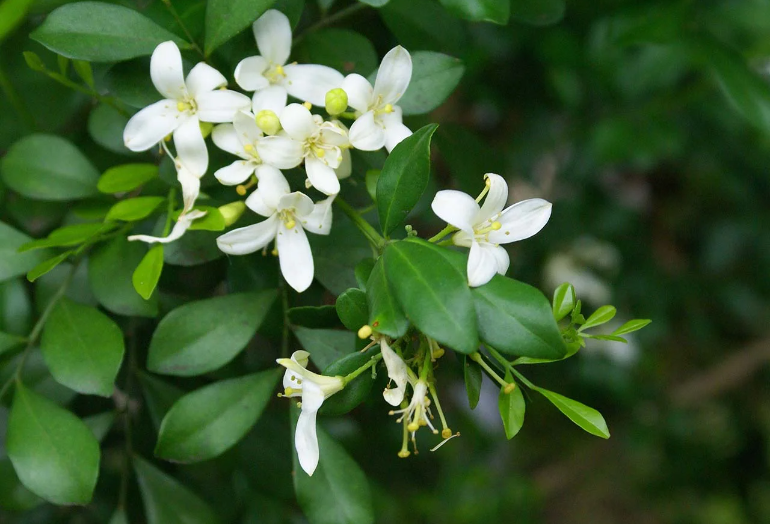
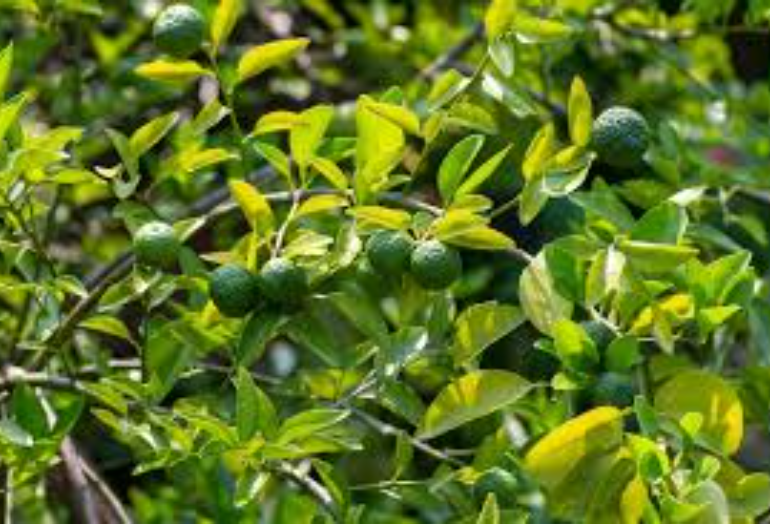
Kemuning

Murraya Paniculata

This plant has fragrant flowers and is used in traditional medicine. Its leaves and bark are believed to help treat high blood pressure, skin diseases, and inflammation. The wood is also used for making small crafts and tools.

Pitcher Plant

Kenanga

Cananga Odorata

Kenanga flowers are known for their sweet fragrance and are often used in perfumes and essential oils. The scent has calming effects, helps with relaxation, and is sometimes used in skincare to nourish the skin.

Pitcher Plant

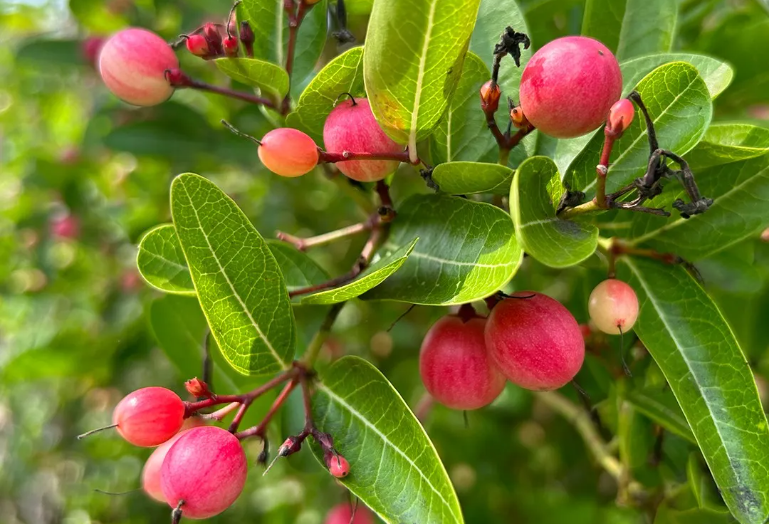
Keradang

Carissa Carandas

This small fruit is rich in vitamin C and antioxidants. It is used to improve digestion, boost immunity, and treat minor infections. The fruit is often eaten fresh or made into jam, while the leaves are sometimes used for medicinal purposes.

Pitcher Plant

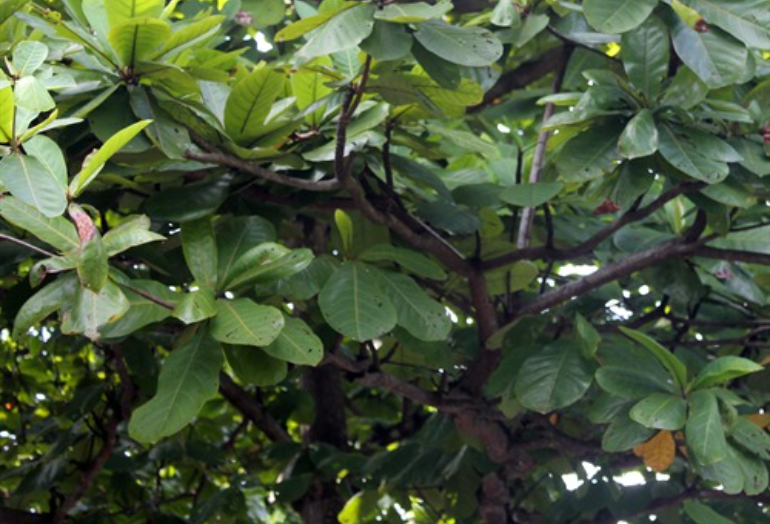
Ketapang

Terminalia Catappa

Ketapang, also known as sea almond, provides shade and is often planted along roadsides. Its leaves are used in aquariums to improve water quality for fish. The seeds are edible and taste like almonds.

Pitcher Plant

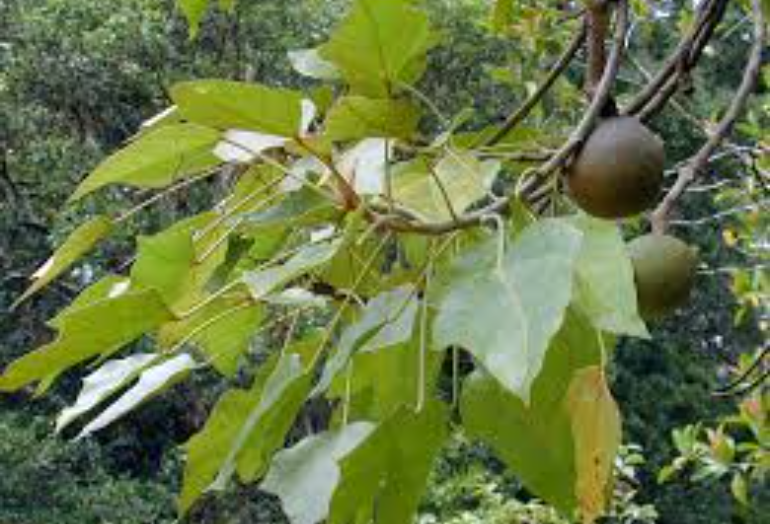
Kukui

Aleurites moluccanus

The nuts from this tree are used in cooking, especially in making thick sauces. They also have moisturizing properties and are used in traditional medicine to treat skin problems and hair loss.

Pitcher Plant

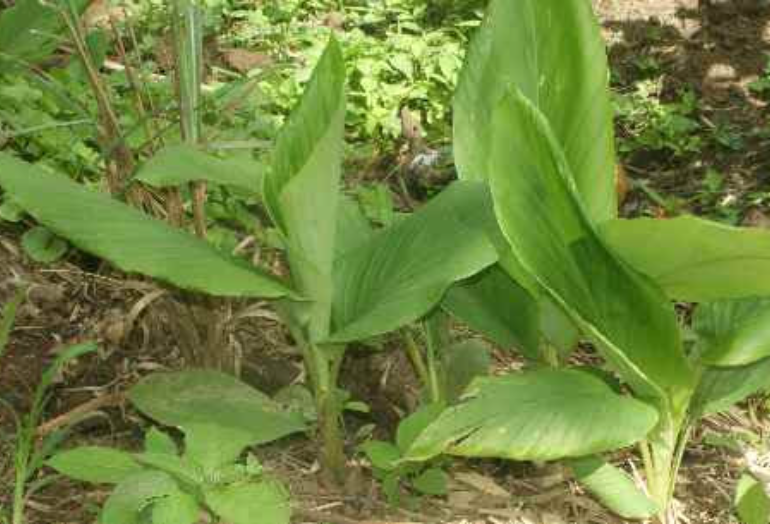
Kunyit

Curcuma Longa

Turmeric is widely used as a spice and medicine. It has strong anti-inflammatory properties, helps with digestion, boosts immunity, and improves skin health. It is often consumed in curries, tea, or as a supplement.

Pitcher Plant

Limau Purut

Citrus Hystrix

The leaves and fruit are commonly used in cooking to add aroma and flavor. The juice is used for skincare and hair treatments, while the leaves are believed to have antibacterial properties.

Pitcher Plant

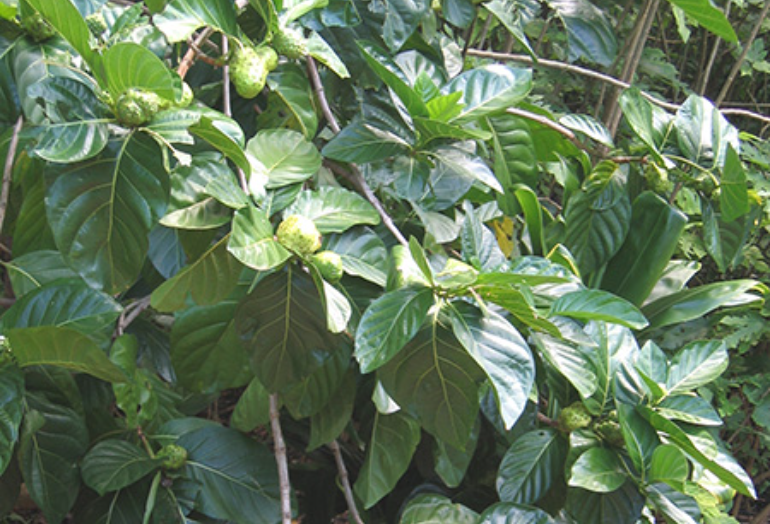
Mengkudu

Morinda Citrifolia

Mengkudu is used in traditional medicine to strengthen immunity, detoxify the body, and lower blood pressure. It has a strong smell, but its juice is consumed for overall health benefits.

Pitcher Plant

Salam

Syzygium polyanthum

Salam leaves are used in cooking, especially in Southeast Asian dishes. They help improve digestion, control diabetes, and support heart health.

Pitcher Plant

Semambu

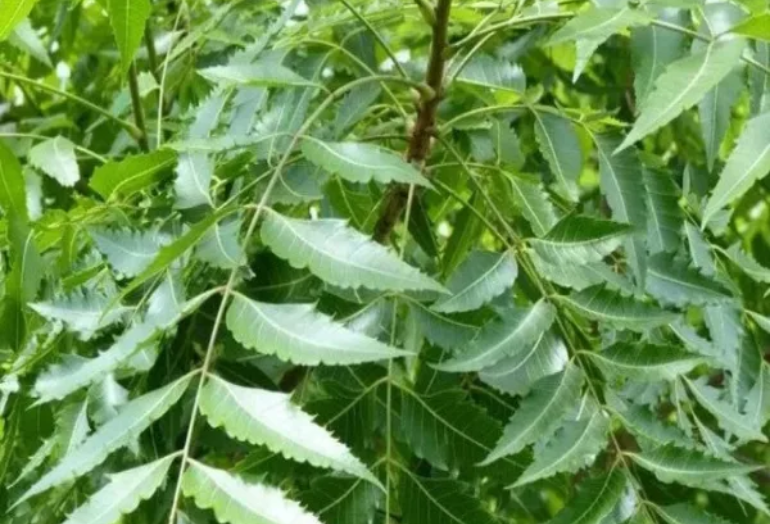
Azadirachta Indica

Neem is a powerful medicinal plant.Its leaves are used to treat skin conditions like acne and eczema, while its bitter taste helps purify the blood and repel insects. Neem oil is also used in natural pesticides.

Pitcher Plant

Mahang Gajah

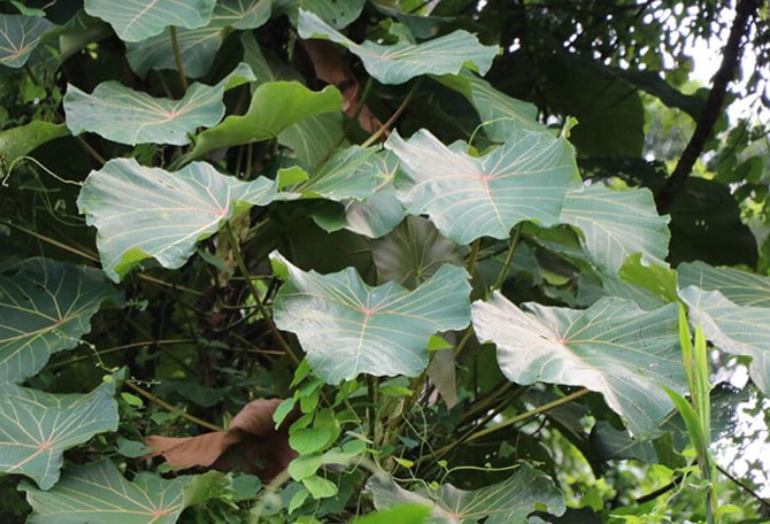
Macaranga Gigantea

This plant is often found in tropical forests and is used in traditional medicine to treat wounds and reduce inflammation. Its large leaves provide shade, and it plays an important role in forest ecosystems.

Pitcher Plant

Pala

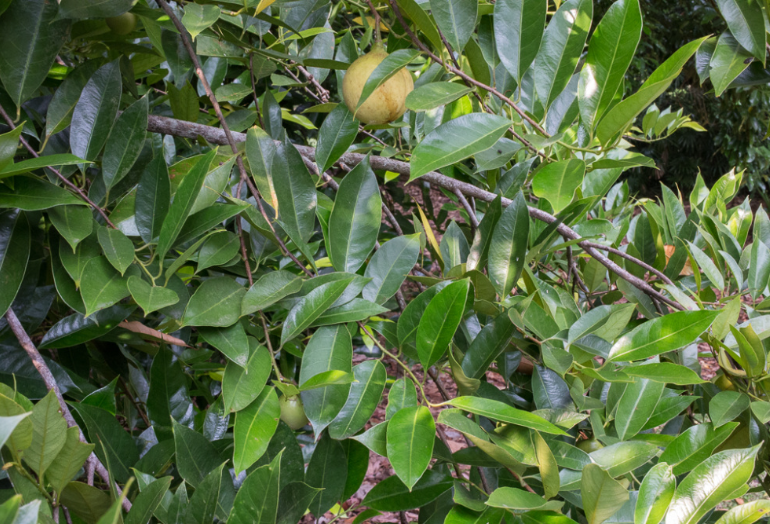
Myristica Fragrans

Nutmeg is a popular spice used in food and drinks. It has calming properties, helps improve sleep, and aids digestion. It is also believed to relieve pain and boost brain function.

Pitcher Plant

Terentang

Campnosperma Auriculatum

Terentang is mainly used for timber, but in traditional medicine, its bark and leaves are believed to help with wound healing and inflammation.

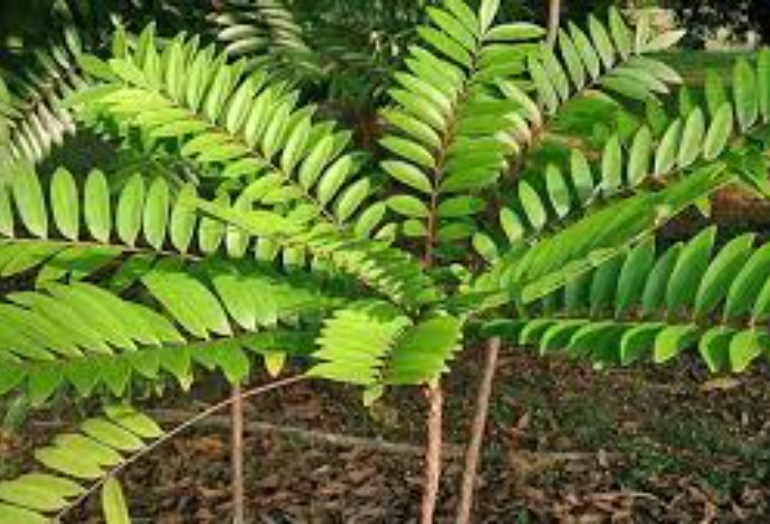
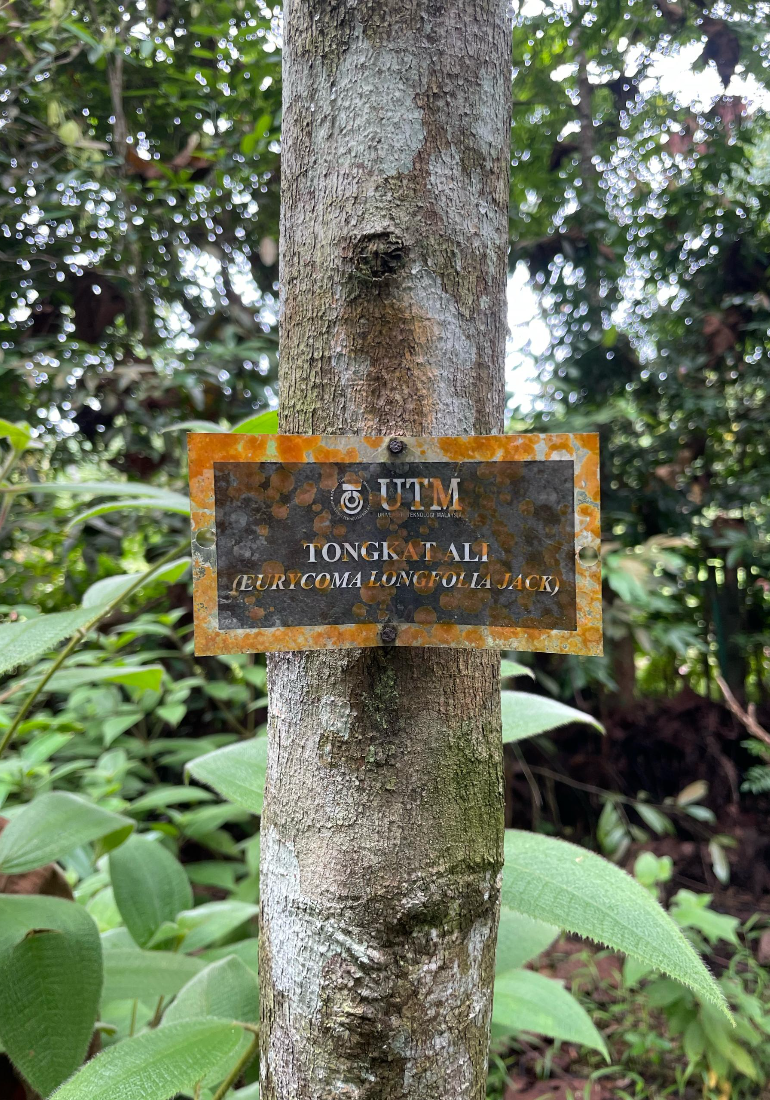
Tongkat Ali

Tongkat Ali

Eurycoma Longifolia

Tongkat Ali is famous for boosting energy and stamina, especially for men’s health. It is used to improve physical strength, increase testosterone levels, and enhance overall vitality. It is usually consumed as herbal tea or in supplement form.

<

Meet Our Team

Our dedicated team of professionals has worked together to bring this project to life. With expertise in design, development, and innovation, we strive to create seamless and impactful experiences.

NOR FARAH ANIS BINTI NORAZAMAN

Project Manager

AIN SURAYA BINTI AHMAD

GIS Analyst

NUR IZZAH AMANI BT ISMASAZALI

Data Analyst

MUHAMMAD ZULHAKIM BIN ZAINUDIN

System Developer

Contact

A detailed representation of a specific location, showing the layout, accessibility, and key landmarks, often used for navigation and planning, including plant distributions in a botanical setting.

Address

UTM Geotourism, Aras Bawah, Blok F53, Kompleks Bahagian Pengurusan Aset, UTM

Call Us

+6 07-553 3333

Email Us

corporate@utm.my

Features